
10% off your first order
Sort by:
78 products
78 products

Profondamente radicata nella vigna fin dal 1580, la famiglia Beyer ha tramandato la sua passione per il vino di generazione in generazione.
Questa antica memoria familiare è garanzia del loro savoir-faire. Numerosi archivi, documenti e diari, scrupolosamente conservati, sono la memoria viva della loro tenuta vinicola. Immersi nella storia regionale, questi documenti sono stati scritti in francese antico o in tedesco antico. Raccontano la storia della loro passione: il vigneto di Eguisheim.
Le origini della famiglia Beyer si fondono con la storia della viticoltura alsaziana. Gli archivi della tenuta attestano la sua presenza a Eguisheim già alla fine del XVI secolo.
Il Gewürztraminer, un vitigno a bacca bianca espressivo e aromaticamente distintivo, è considerato una varietà nobile in Alsazia, in Francia, e produce vini meravigliosi nella regione montuosa dell'Alto Adige, nel nord-est dell'Italia.
Generalmente, quest'uva cresce bene nelle regioni più fresche e la sua naturale intensità lo rende un ottimo alleato per la cucina saporita come quella indiana, mediorientale o marocchina.
Somm Secret: grazie al suo profumo affascinante e alla sua tendenza alla leggera dolcezza, il Gewürztraminer è un eccellente vino di ingresso per chi ama i vini dolci ma desidera avventurarsi nel regno dei bianchi più secchi.
Pompelmo, frutto della passione, papaya, spezie e zenzero.
L'aerazione esalta questi profumi e rivela note di mango e un leggero sentore floreale di peonia. L'attacco in bocca è moderatamente ampio e morbido. La classe dell'annata mitiga l'ampiezza del vitigno. Caratterizzato da una palette aromatica sofisticata e delicata, questo profilo è notevole.
Si abbina perfettamente a un curry di gamberi in latte di cocco, a una fricassea di pollo al cumino con salsa alla senape o anche a un formaggio a pasta molle a crosta lavata.
Il Gewurztraminer Tradition 2019 di Emile Beyer è un eccezionale vino bianco che incarna perfettamente l'anima della viticoltura in Alsazia. Questo vino bianco si distingue per il suo colore giallo brillante e un profumo intenso e aromatico, tipico del vitigno.
La sua Alsazia si esprime nel bouquet esuberante, dove si fondono sentori di litchi, rosa, zenzero e frutti tropicali. La degustazione rivela un ottimo sapore: è un vino bianco morbido e avvolgente, ma al contempo vivace, con un equilibrio perfetto tra dolcezza e freschezza.
Il suo ottimo sapore persistente lo rende ideale in abbinamento a piatti complessi. La sua complessità e il suo carattere forte lo rendono un vino adatto a tutti i pasti.

L'annata 2024 è stata caratterizzata da un autunno lungo e soleggiato, con temperature moderate: condizioni ideali per una vendemmia tardiva e selettiva. Fermentato in vasche d'acciaio inox, il vitigno rimane limpido e non adulterato nella sua espressività floreale e speziata. Di colore giallo paglierino, ha un aroma intenso e sfaccettato di melone e fiori estivi. Joseph Gewürztraminer 2024 affascina con i suoi aromi fragranti di litchi, petali di rosa e spezie esotiche, trasportati da una fresca eleganza. Al palato è ricco di sostanza, complesso e di grande profondità aromatica, con una buona struttura e lunghezza. Joseph combina una ricchezza sensuale con una precisione stilistica - un rappresentante espressivo delle sue origini alpine.
Il 2024 Joseph di J. Hofstatter è un vino bianco che incarna alla perfezione le qualità distintive del Sudtirol. Questo vino bianco si presenta al naso in modo particolarmente aromatico, offrendo un bouquet ricco e complesso di frutti esotici come litchi e mango, accompagnati da delicate note di rosa e spezie.
In bocca, il vino bianco si rivela elegante, con una struttura solida e una notevole freschezza che bilancia l'intensità aromatica e la pienezza del frutto. La sua acidità vivace conferisce a questo vino bianco un sorso dinamico e un finale persistente, rendendolo un'espressione davvero elegante e armoniosa del terroir del Sudtirol

Isonzo del Friuli DOC
Il Latimis rappresenta l’essenza stilistica di Giorgio Badin e della cantina Ronco del Gelso: un uvaggio bianco di grande equilibrio che fonde sapientemente le caratteristiche delle varietà autoctone e internazionali coltivate nei suoli ciottolosi del Friuli Isonzo.
Profilo Organolettico
-
Visivo: Si presenta con un colore giallo paglierino brillante, impreziosito da riflessi verdolini che ne sottolineano la giovinezza e la freschezza.
-
Olfattivo: Il bouquet è intenso e sfaccettato. Emergono nitide note di frutta a polpa bianca (pesca, mela golden) e sentori floreali di sambuco, accompagnati da una delicata sfumatura minerale e aromatica che richiama le erbe officinali.
-
Gustativo: Al palato è armonico e avvolgente. La struttura è sostenuta da una vibrante acidità che conferisce dinamicità al sorso, culminando in un finale sapido, pulito e di ottima persistenza.
Caratteristiche Tecniche
-
Vitigni: Un blend armonico (generalmente Friulano, Pinot Bianco, Sauvignon e Riesling) che varia leggermente a seconda dell'annata per mantenere costante l'alto profilo qualitativo.
-
Terroir: Proviene da terreni di origine alluvionale, ricchi di scheletro (ghiaia), che conferiscono al vino la tipica impronta minerale della zona dell'Isonzo.
-
Vinificazione: Maturazione esclusivamente in vasche d'acciaio per preservare l'integrità del frutto e la freschezza varietale, evitando l'uso del legno.
Abbinamenti Consigliati
Si accompagna magnificamente ad antipasti magri, primi piatti a base di verdure o pesce, risotti alle erbe e preparazioni a base di crostacei. Eccellente anche come aperitivo elegante.
-
Temperatura di servizio: 10-12°C
-
Grado alcolico: 13% vol. (circa)

Château Pépusque, located in the Minervois appellation in the Languedoc region of France, presents its 2022 "Cuvée Marco," an exceptional white wine. This cuvée is made with carefully selected regional grapes, reflecting the diverse and natural terroir of Languedoc, where the Mediterranean climate provides warm, sunny summers. The winemaking process is geared toward the pure expression of aromas, resulting in a lively yet elegant wine. The region, rich in diverse soils ranging from limestone to clay-limestone, is home to generous and authentic wines. Renowned for its commitment to tradition and quality, Château Pépusque is a respected benchmark in the local winemaking scene.
To pair this Languedoc white wine, consider dishes such as seafood, a warm goat's cheese salad, or fish in a light sauce. The fresh, fruity flavors of the "Cuvée Marco" pair perfectly with the delicate textures and light notes of these dishes.
Also opt for regional dishes such as cod brandade or bouillabaisse, which will blend harmoniously with the minerality and elegance of this wine.
When tasting, serve this wine between 10 and 12°C to appreciate all its aromatic nuances.
Decanting is generally not necessary, although gentle aeration can reveal its complexity. When tasting, observe its bright color, smell the floral and fruity aromas it releases, then savor its freshness and persistence on the palate. This wine promises an enriching experience for lovers of expressive and refined white wines.

It has an intense straw yellow colour tending towards golden.
On the nose, fresh fruity aromas emerge, with light notes of woodiness and almond.
On the palate it is full-bodied, warm, round, dry and fresh.
This wine will be perfect to accompany festive moments, as an aperitif with shrimp gyoza and a touch of coriander, or even with crunchy tempura vegetables such as courgettes, green asparagus or even the delicacy of aubergines.

Every vintage since 2005, Philippe Raoux, owner of Château d'Arsac (Margaux), has invited a different winemaker to oversee the harvest on a plot of approximately ten hectares. This year, he has entrusted the reins to a Zulu winemaker, Ntsiki Biyela.
A land, a vineyard, a person. "The idea is to demonstrate that, of these three essential elements in winemaking, the third prevails."
Philippe Raoux smiles. Since 2005, he's invited a different winemaker to his vineyard, Château d'Arsac, every year. And he gives them carte blanche. Their mission: to choose the vineyard plots on the property, direct the harvest, oversee the vinification, blending, and aging of the wine, until finally creating his cuvée.
Selected from among internationally renowned professionals, seven winemakers produced "their" wine from the same material. They stayed at the estate seven or eight times for the duration of an adventure similar in format to an artist residency.
All the invited winemakers were given nicknames. Michel Rolland, aka "The Magician," inaugurated the series in 2005, followed by another Frenchman, Denis Dubourdieu, "The Professor." Later, the Italian "Poet" Andrea Franchetti, the Frenchmen Stéphane Derenoncourt ("The Autodidact") and Éric Boissenot ("The Médocain"), Californian Zelma Long ("The Scientist"), and Argentinean "Virtuosa" Susana Balbo, flexed their talents.
Each worked about ten hectares to produce a vintage of around 30,000 bottles. "The results are astonishing," enthuses Philippe Raoux. "It's as if we asked musicians from different backgrounds to play the same score. Today we can compare the vintages and discern in each the strong personality of these winemakers."
"This experience also increases our open-mindedness; each of the invited winemakers has specific requests for working in their own way," he continues. Some asked for the barrels to be placed outside during the day and brought inside at night. For others, it was necessary to split the entire vine, or remove the branches from the bunches to keep only the grapes attached to the main stalk...
Conceived with Jean-François Moueix and Dominique Renard, but later developed by Philippe Raoux, the concept is unique
Called "The Winemakers' Collection," the collection is commercially available with imagery borrowed from the movies. Each vintage's label features a black-and-white portrait of its producer, like a movie poster.
Retailing for between €300 and €350, the box set containing the first six volumes of the collection features a Hollywood-style pop-up setting, complete with spotlights and a folding producer's chair.
This fall, Zulu winemaker Ntsiki Biyela will arrive from South Africa to produce her eighth vintage, dubbed "Season 8" in honor of the American TV series. A box set featuring the first four female guests is already in the works. And like her predecessors, Ntsiki Biyela will have her name engraved on a bronze plaque embedded in the cellar floor: "Winemakers Boulevard."
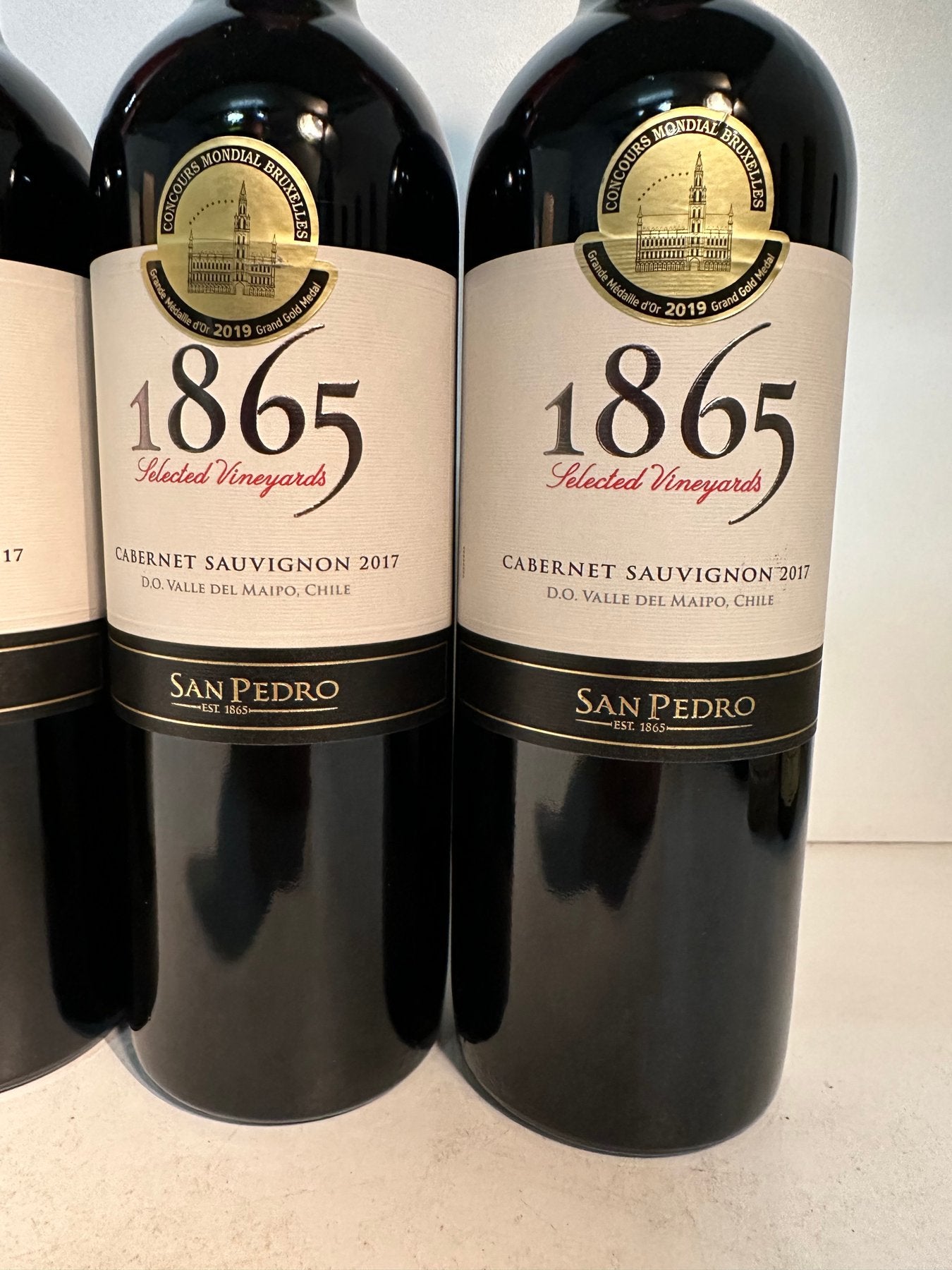
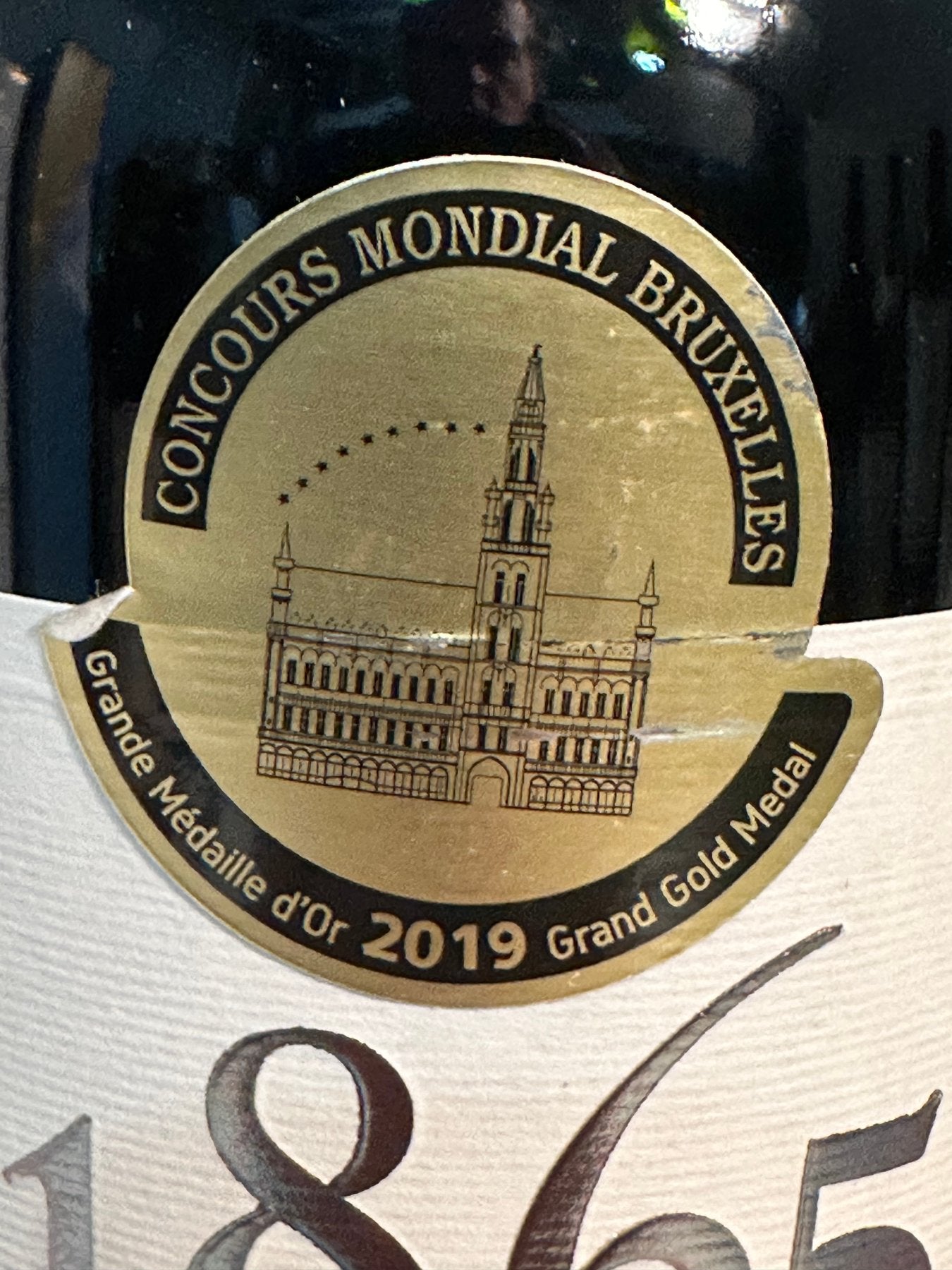
From vines planted on the terraces of the Maipo River in the El Tránsito area and harvested very early, this Cabernet was aged 100% in barrels, although only 20% was new, resulting in a wine with an incredible precision of red fruit, spicy notes, and a hint of herbaceousness.
It has the herbaceous character of the Maipo Alto, but also has the softness and fine tannins of the Maipo Alto. It can be aged in the cellar for years.

A baby, obviously, but it's already showing its mettle. Lovely black cherry notes with a touch of leather and marjoram. Unmistakably Rioja. It's more refined, rounder, softer, and more accessible than the 1998 and 2001 at this point in their evolution.
I recommend opening it an hour before serving, as it needs air to express itself at its best.
Excellent with white and red meats, I recommend it for a special occasion.
It's not an everyday wine.

Aroma of red fruit, nutty, slightly earthy and slightly woody, with hints of black berries, notes of tobacco, licorice, and a touch of aromatic herbs. Tart, slightly muted fruit, notes of dried flowers, earthy and dried vegetal, herbaceous, with a certain persistence. Noticeably dry tannins, notes of nutty wood on the palate. Not very deep, with some persistence, slightly bitter on the finish, still slightly dry.
This wine pairs very well with tasty red meats and mature cheeses.


The ninth estate in the Vignobles Jeanjean collection is located in the prestigious Pic St. Loup appellation, north of Montpellier, a name derived from the distinctive 658-meter-high mountain that dominates the region. A unique and omnipresent place for all Montpellier residents, but above all, a renowned and recognized appellation.
The Pic St. Loup is a place of legends, hikes, and winemakers. In this setting, the Domaine des Rocs embodies all the freshness of the Pic.
It is in fact one of the coolest and most humid appellations in Languedoc, at the foot of the Cévennes, which produces delicate, elegant and fresh wines.
The estate's 13 hectares are mainly planted with Syrah and Grenache.
This wine pairs very well with all red meats, but also with tasty cheeses.


Intense ruby red. Aroma: plum, ripe blackberries, thyme, sage. Palate: blackberry jam, cloves, licorice, spices, herbaceous notes, full-bodied, balanced. Excellent with eggplant parmigiana, stew, beef barbacoa, roast lamb, roast beef, ribs, steak.


Situated in a region packed with historical interest, this award-winning Domaine is perched on a hilltop overlooking the Saône Plain in Mâcon. Close by is the Paleolithic archaeological site Pech de l'Aze, which proves that agricultural activity has gone on in this region since the Iron Age. By comparison, at Domaine des Terre Gentilles, winemaking has been taking place over a considerably shorter space of time but with equal cultural significance. Most of this Domaine's vineyards were originally cultivated by monks at the Medieval Christian Abbey at Cluny. Established in 1921 by Jean-Pierre Marillier, this award-winning 36-hectare family-owned estate is now expertly run by son and rising star winemaker Mikaël Marillier who is now creating benchmark Mâcon-Village wines.
For wild turkey, which has more of a gamey character, pork or chicken, this is a very good pairing.


The first estate in the Jura region to adopt organic farming practices, Le Clos des Grives has been Ecocert certified since 1968.
Made from 100% Savagnin Olle grapes, this wine boasts a delicious and inviting nose with notes of hazelnut.
On the palate it is round and silky, with spicy notes and pronounced hazelnut flavors, all complemented by a finish of remarkable persistence.


The Saint-Joseph appellation covers 1,200 hectares and is located on the right bank of the Rhône River. The soils are homogeneous, primarily granite rock and rarely limestone. The slopes are steep, and the vineyards are planted on terraces. The white wines (20% of production) are made from the Marsanne and Roussane grape varieties.
This producer ages its white wines in wooden barrels for up to ten months, giving the wine a slightly oaky flavor that places it among the best produced in the Saint Joseph district.
The wine is harvested strictly by hand, without the use of machinery that could damage the rows.
Complex and aromatic, with notes of white flowers, honey, apricot, peach and lime
On the palate: Fresh, mineral and lively, with a lovely lemony and velvety persistence.
On the nose we find notes of white fruit, as well as hints of flint and citrus peel.
Good with white fish, seafood, but it is at its best when tasted with white meat, chicken, rooster, pork thanks to its aging in wood.
Vegetarian dishes and vegetables, even fried ones, make an excellent accompaniment. It can also be served as an aperitif or with soft cheeses.

The Yecla appellation, located between Valencia and Alicante, has experienced a revival since the 1980s. It is one of the most popular in Spain, dynamic and committed to producing delicious wines. Highly sought-after, the appellation's wines are powerful and flavorful.
They can age up to twenty years, for enthusiasts. A little surprise, this denomination
Fruity aromas of berries and with spicy, mineral and smoky notes of red and black fruits.
On the palate it is elegant, light but structured / good acidity, balanced, fresh with soft tannins.
The finish is pleasant and long.
Recommended with white and red meat and medium-aged cheeses.
Organic Wine

This superbly balanced Reserva is the perfect introduction to the wines of the famous Spanish winery La Rioja Alta, a highly respectable wine for those who have never tasted high-quality Spanish wines and want to approach this wine region starting from a wine of great class.
With perfect ripeness, energetic freshness, strength, softness and undergrowth spice, Viña Alberdi, after two years in American oak, offers a glimpse of the fascinating and seductive style found in the Rioja Alta.
A wine with strong flavours, which as a pairing requires seasoned meats, game, personally tried with wild boar I can say that they seem born to be savoured together.

2015 Château Chevalier Lescours - Saint-Emilion Grand Cru - This vintage was strongly influenced by a spring that was already warm in May, an almost perfect summer that made this wine rich and intense, with hints of berries, blackcurrant and almost smoky flavors thanks to its aging in wood.
Pair with dishes such as venison, chamois, poultry or beef.
A very versatile wine for special occasions.


2019 Château L'Etoile de Viaud - Bordeaux
On the nose, it is fruity, elegant, and lively, offering richness and concentration, freshness, and a fine texture. It reveals notes of plump blackcurrant, strawberry, and subtle blackberry notes combined with hints of violet, small black berries, as well as hints of licorice and toasted bread. On the palate, it is fruity and balanced, offering a savory structure and pleasantness.
On the palate, this wine expresses notes of black cherry, plump and juicy raspberry and small notes of plump and juicy blackberry combined with small touches of plump and juicy blueberry, as well as hints of toasted bread, vanilla and very fine notes of chocolate.
The tannins are well-constructed. The finish is powerful. Good